Researching which laptop will fit your needs or comparing different fuel-efficient cars before purchasing one will ensure you feel comfortable with your decision. Hearing aids deserve the same consideration. With several styles and features available, knowing what to look for can help you find devices that support your hearing and fit comfortably into your daily routine.
Consider Your Hearing Needs and Personal Style
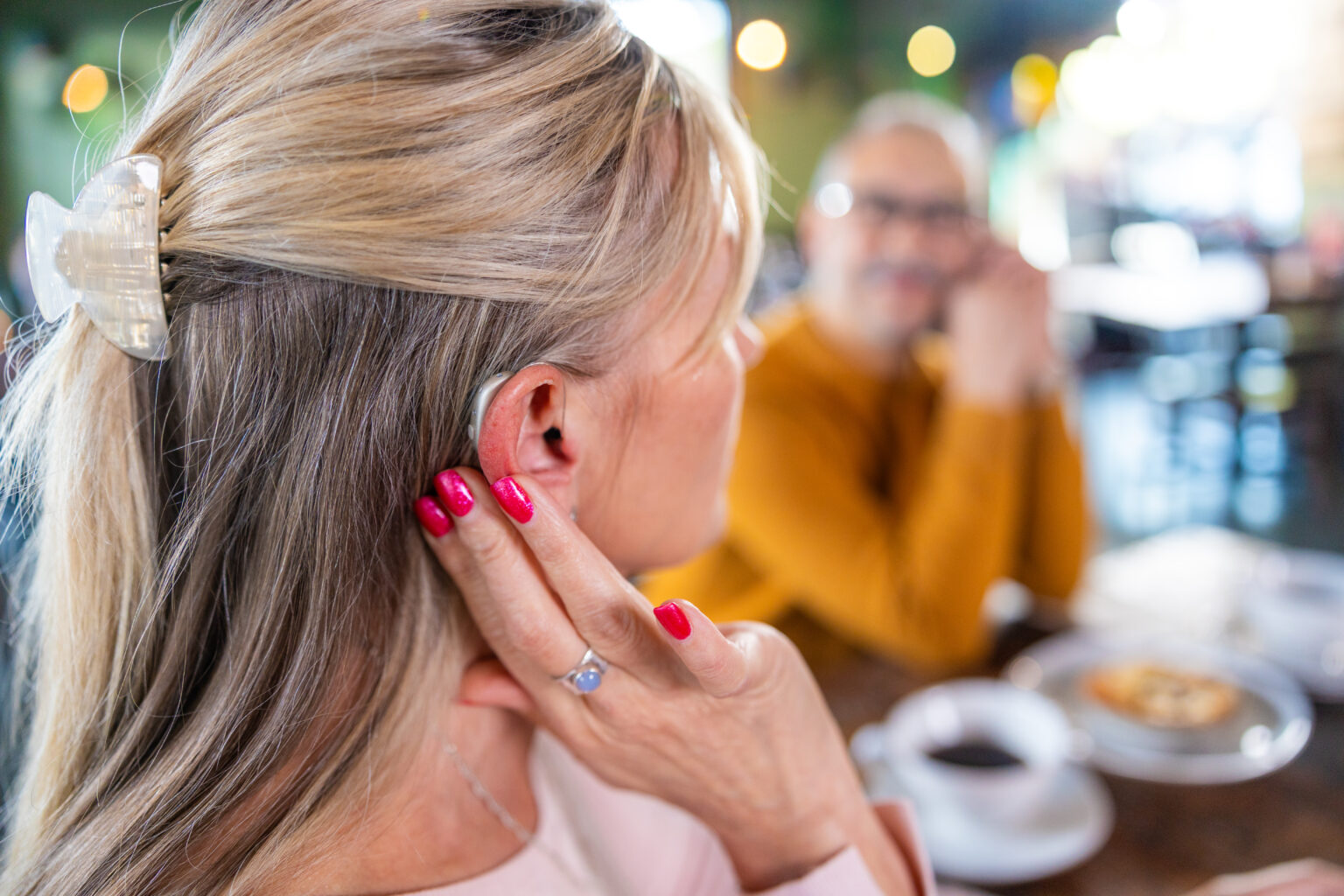
Nearly 29 million U.S. adults could benefit from hearing aids. One of the first things to consider when choosing hearing aids is the degree of your hearing loss. Different devices offer different levels of amplification, making some styles better suited to certain hearing needs than others:
- Mild to moderate hearing loss. Any hearing aids can treat mild to moderate hearing loss. Smaller in-the-canal options can only treat these earlier stages of hearing loss.
- Moderately severe to profound hearing loss. Larger behind-the-ear models may offer more powerful amplification and additional features than smaller models.
Your appearance preferences also play a role. Behind-the-ear hearing aids are available in a variety of colors and designs, while in-the-ear and completely-in-the-canal models offer a more subtle or undetectable look. Consider whether you want your hearing aids to stand out or blend in.
Your hearing aid specialist can help you compare styles and determine which options are appropriate for your needs.
Think About Your Everyday Activities
Your hearing aids should work with your lifestyle, whether you spend your weekends hiking local trails, attending fitness classes or catching up with friends at a coffee shop. Keep these considerations in mind when comparing devices:
- Comfort and fit. Some people prefer behind-the-ear hearing aids because they rest securely around the ear. Others appreciate the compact design of in-the-ear models. The right fit should feel comfortable throughout the day. Whichever option you choose, we’ll custom-fit the devices to your ear shape.
- Moisture protection. Sweat, humidity and accidental splashes can affect hearing aid performance. Look for devices with an appropriate water-resistance rating if you lead an active lifestyle. Keep in mind that water-resistant hearing aids are not necessarily waterproof; ask your specialist how much water contact each device can endure.
- Convenience. Consider how easily you can handle your devices, change their batteries or recharge them. People with dexterity issues may prefer options with rechargeable batteries that they don’t have to change regularly. Features such as telecoil settings and Bluetooth® connectivity to smartphone apps may also make everyday listening more convenient.
Match Your Hearing Aids to Your Listening Environment
Think about the places where you spend the most time. If you frequently visit busy restaurants, attend family gatherings or participate in meetings, background noise may make conversations challenging. Hearing aids with directional microphones and advanced noise-management features can help make speech easier to follow in challenging listening environments.
You don’t have to navigate your hearing aid options alone. Our team can evaluate your hearing, discuss your preferences and help you find a solution that fits your needs. Contact Olympic Hearing & Balance today to schedule a hearing consultation.
Sources
National Institute on Deafness and Other Communication Disorders. (2021). Quick statistics about hearing. National Institute on Deafness and other Communication Disorders. Nidcd. https://www.nidcd.nih.gov/health/statistics/quick-statistics-hearing